Article
SXO: what is search experience optimization?
SEO12 min read

James BrunettoCo-fondateur & CEO
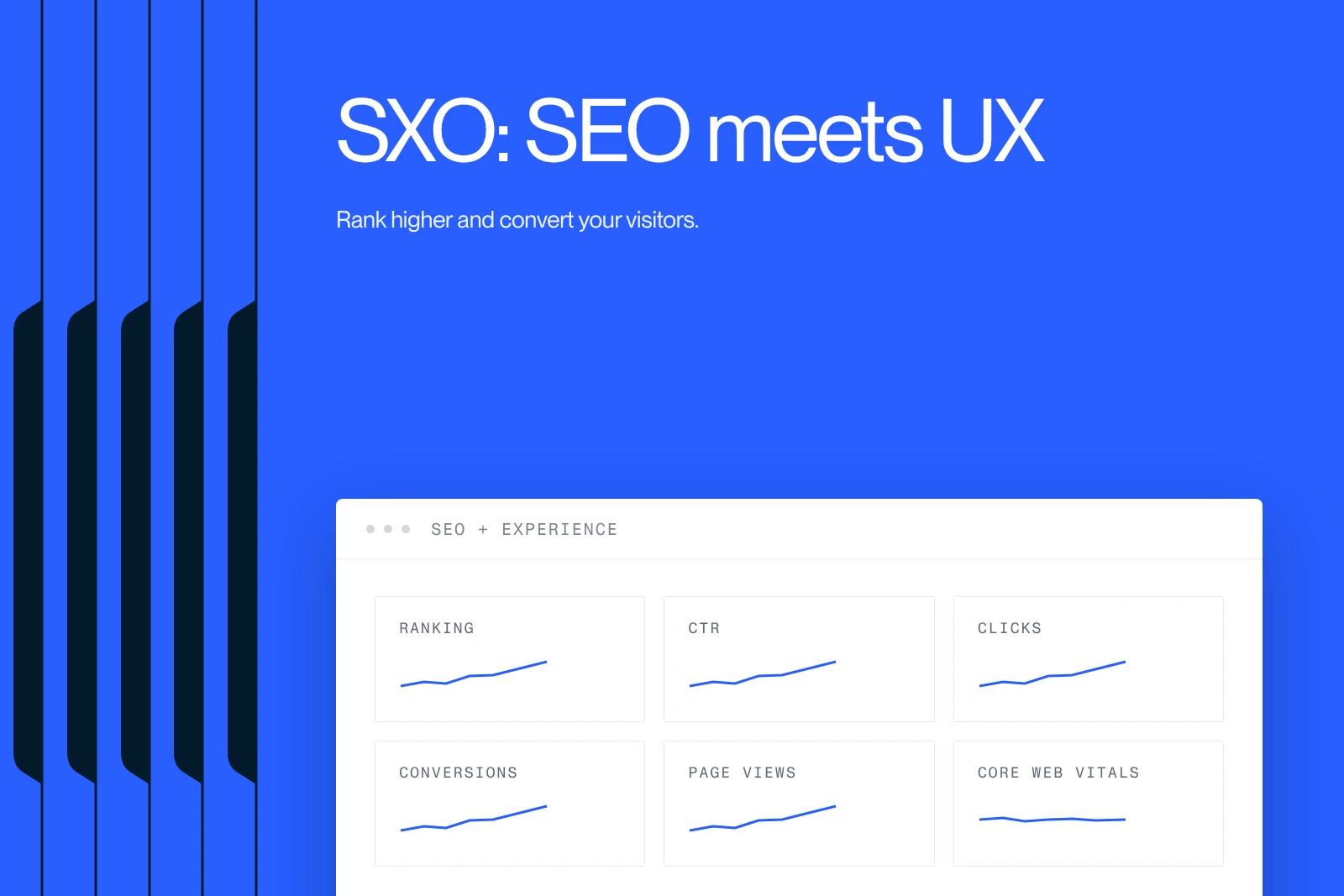
SXO: improve your website's user experience and its organic search rankings (SEO) at the same time. Here is how the SXO approach works.
Explore this post with…
SXO: what is search experience optimization?
SXO (search experience optimization) is an approach that connects SEO and user experience to gain visibility and turn that visibility into results. In other words, the goal is not only to rank, but to answer what the searcher expects better, faster and more clearly.
At Synqro, we support companies in Paris as a performance-driven Webflow agency in Paris. We apply this method to make sites easier for Google to read, more convincing for users and more effective for acquisition. Below we cover the logic, the priority levers and the mistakes that stall progress.
Search experience optimization: definition and how it links SEO and UX
SXO means optimizing visibility and the quality of the interaction at the same time. Search experience optimization describes an approach where the page is designed to be understood by the search engine and to be useful from the first read. People often ask what search experience actually means, because the term is recent, but the idea is simple: a page that better satisfies the intent makes more durable progress.
This approach sits between SEO and UX. Technical and semantic signals bring in the right traffic, then the user experience converts that traffic. It is optimization in the strict sense, but the point is not to tweak metrics. The point is to align content, structure and user journey.
Key points that frame the definition:
- Define a clear intent and write for the user first
- Build a page Google can understand, with no ambiguity
- Treat experience as a performance lever, not as decoration
Why Google rewards experience in search results
Google does not just index pages, it tries to serve reliable, relevant results. Search engines look at satisfaction signals: speed, stability, clarity, relevance and a consistent journey. The goal is for an answer engine to send the user to a page that answers without friction.
This logic relies on the quality criteria that feed into the algorithm, but also on how well the content matches the intent. When a page is vague, too long or poorly organized, the engine hesitates. When the intent is covered cleanly, progress in search results is steadier.
What really matters to the engine:
- The ability to answer a query directly
- Consistency between the promise, the content and the structure
- Overall readability, including on mobile

The SXO approach: improving user experience without over-optimizing
An SXO approach is run like an action plan, not like a list of tricks. The principle: diagnose, prioritize, execute, measure, then update. You cut unnecessary changes and focus on what improves reading, understanding and decision-making.
The key is to improve the user experience without repeating the keyword excessively. The goal is to clarify the intent and make the page more effective. Here, optimizing does not mean adding, it means simplifying: less noise, more structure, more proof.
What we prioritize at Synqro for an effective plan:
- Clarify the promise and the hierarchy of sections
- Work on structure, proof and reassurance elements
- Measure the impact with a continuous improvement loop
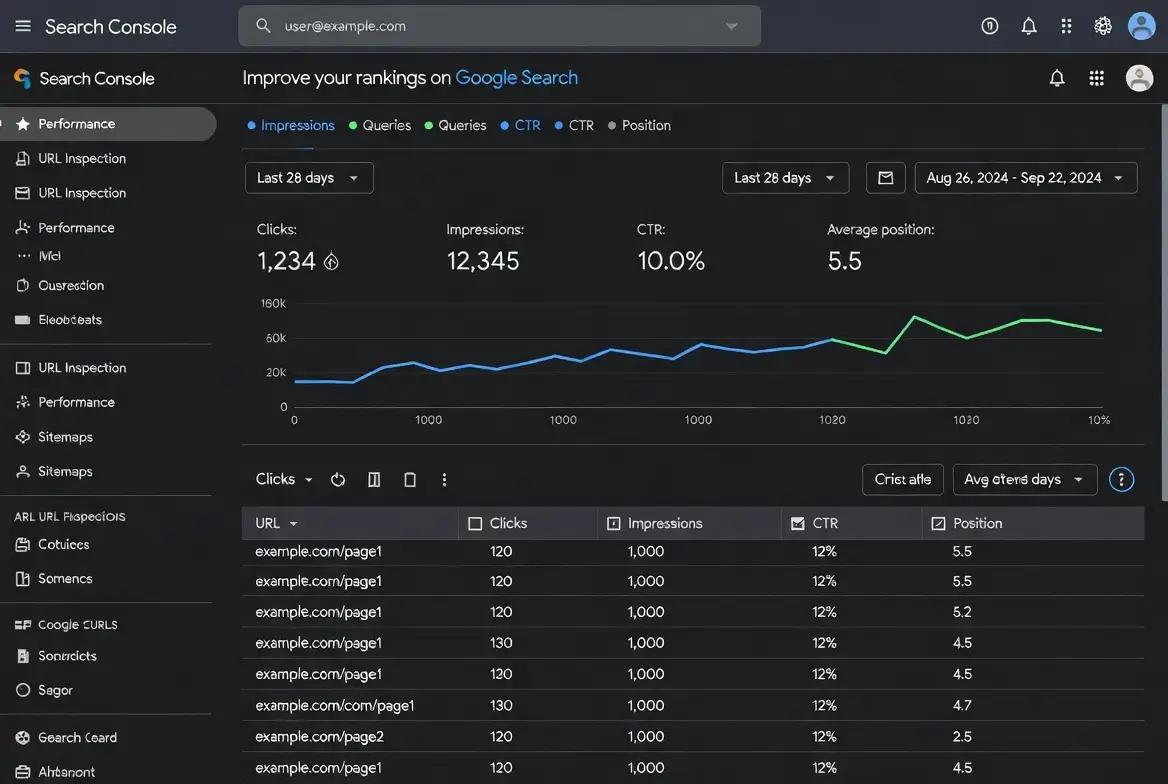
CTR, rankings and click-through: winning at the top of the results
CTR is not a cosmetic metric. It reflects your ability to earn the click when the user compares several answers. But it only works if the content is designed to answer quickly and clearly.
Click-through rate improves when the title is precise, the promise is credible and the snippet matches the actual content. If the user clicks and then leaves, you feed a disappointment signal. So the snippet and the page have to match: same intent, same angle, same depth of answer.
Concrete levers to win at the top of the results:
- Write titles focused on benefit and intent, not marketing
- Put short answers in the introduction and the first sections
- Strengthen proof to reduce hesitation from the first screens
Intent, queries and keywords: building real relevance
Good work does not start with a list of search volumes, but with queries and needs. You identify the intent, then choose a main keyword, then develop the secondary angles. The content has to be relevant in substance, not just optimized in form.
Many pages stall because they cover a topic that is too broad without answering clearly. You have to segment: one intent per section, one promise per page, concrete answers. That is how searchers find the solution faster, and how the engine better understands the topic.
Simple guidelines to frame the intent:
- Define what the user wants to get, not what you want to say
- Avoid catch-all pages that dilute the main angle
- Answer at the start, then expand with proof and details
Internal linking, navigation menu and user journey
Experience does not play out on a single page. It plays out in how people move: how they go from one need to the next. Good internal linking helps search engines understand the site and reduces friction for users. It provides logic, hierarchy and a natural progression.
The navigation menu is not just a visual element. It has to reflect priorities: services, proof, resources, conversion. If the menu is confusing, the user wastes time and the editorial value gets scattered. The user journey should guide, not force.
Good practices to apply:
- Build a clear hierarchy, from general to specific
- Link pages by intent, not by link opportunity
- Provide explicit decision paths, especially on business pages

Mobile first, Core Web Vitals and page load time
A mobile-first approach changes priorities: clarity, speed and stability come before decoration. Core Web Vitals sum up these requirements, but the reality is simple: if the content loads slowly, the user leaves. On smartphones, the impact is even sharper.
Page load time often suffers from oversized images, poorly controlled animations or unnecessary scripts. The goal is a responsive site that is consistent across every page, not hand-tuned performance on one isolated page.
Priority performance actions:
- Compress media and streamline scripts
- Avoid effects that hurt visual stability
- Test on real mobile devices, not only on desktop
Conversions and CRO: conversion rate optimization without hurting UX
The goal is not to look good, but to produce conversions. A CRO (conversion rate optimization) approach improves understanding, reduces hesitation and makes the action obvious. Conversion rate optimization is not a series of hacks: it is a method centered on clarity and trust.
If you push too hard, you raise the bounce rate. If you are too timid, the user does not know what to do. CTA buttons have to be visible, consistent with the content and placed at the right moment. The right balance turns reading into a decision, without manipulation.
Effective levers to increase the conversion rate:
- Clarify the offer and the proof from the first screens
- Place CTAs according to intent and buying stage
- Remove distractions that break reading and progress

Tags, tracking tools and SEO optimization
Editorial structure relies on clear tags: headings, subheadings, sections. This helps Google understand the hierarchy and helps the user scan. On a website, consistency matters more than density. The goal is to set up a repeatable structure, page after page.
On the tracking side, a monitoring tool is there to support decisions. SEO optimization happens in iterations: you test, adjust and consolidate. This is also what brings search engine optimization closer to business needs, instead of optimization disconnected from them. Serious SEO practitioners know that progress comes from consistent signals, not from noise.
What a healthy routine should cover:
- Structure pages with useful headings, not decorative ones
- Measure and adjust without piling on tools you do not need
- Keep editorial, technical and semantic consistency
Experience quality, brand guidelines and trust
Experience quality also depends on trust. Consistent brand guidelines make the brand readable, stabilize perception and make navigation easier. When the interface is ergonomic, the user understands faster and hesitates less. This directly affects performance, even if it is not an isolated SEO signal.
Trust is also tied to privacy: legal notices, data, clear forms. Once you have the visit, you need to think about what comes next: useful content, relationship, reassurance. A newsletter can play a simple role here: extending the relationship and building loyalty. Finally, a site that ranks well is not only visible, it is credible when people land on it.
Guidelines to strengthen trust and continuity:
- Standardize presentation and reassurance elements
- Clarify data collection and reduce points of concern
- Turn the visit into a relationship, not just an isolated session
Conclusion: the essentials for a lasting approach
SXO is not a trend, it is a demand for consistency. When the intent is clear, the structure guides and the experience is solid, visibility becomes steadier and results more measurable. The deciding factor is avoiding scattered effort: fewer actions, more method.
Key takeaways to move forward without over-optimizing:
- Clarify the intent before changing the page
- Improve structure, speed and readability first
- Work on snippets, proof and conversion together
- Work in iterations, not in large one-off projects
- Build an experience that serves both the engine and the user
Frequently asked questions
SEO aims to gain visibility by working on how search engines understand the content. Search experience optimization extends that logic to what happens after the click: readability, structure, trust and conversion. A page can rank without performing if it does not answer quickly and clearly. The approach is therefore to make the promise and the page consistent, so that visibility turns into results. It is also a way to make gains last: when users are satisfied, the page progresses more durably.